
How to Use LinkedIn Targeting in Microsoft Advertising
Microsoft's LinkedIn integration offers B2B targeting capabilities no other platform can match. Here's how to use it effectively.
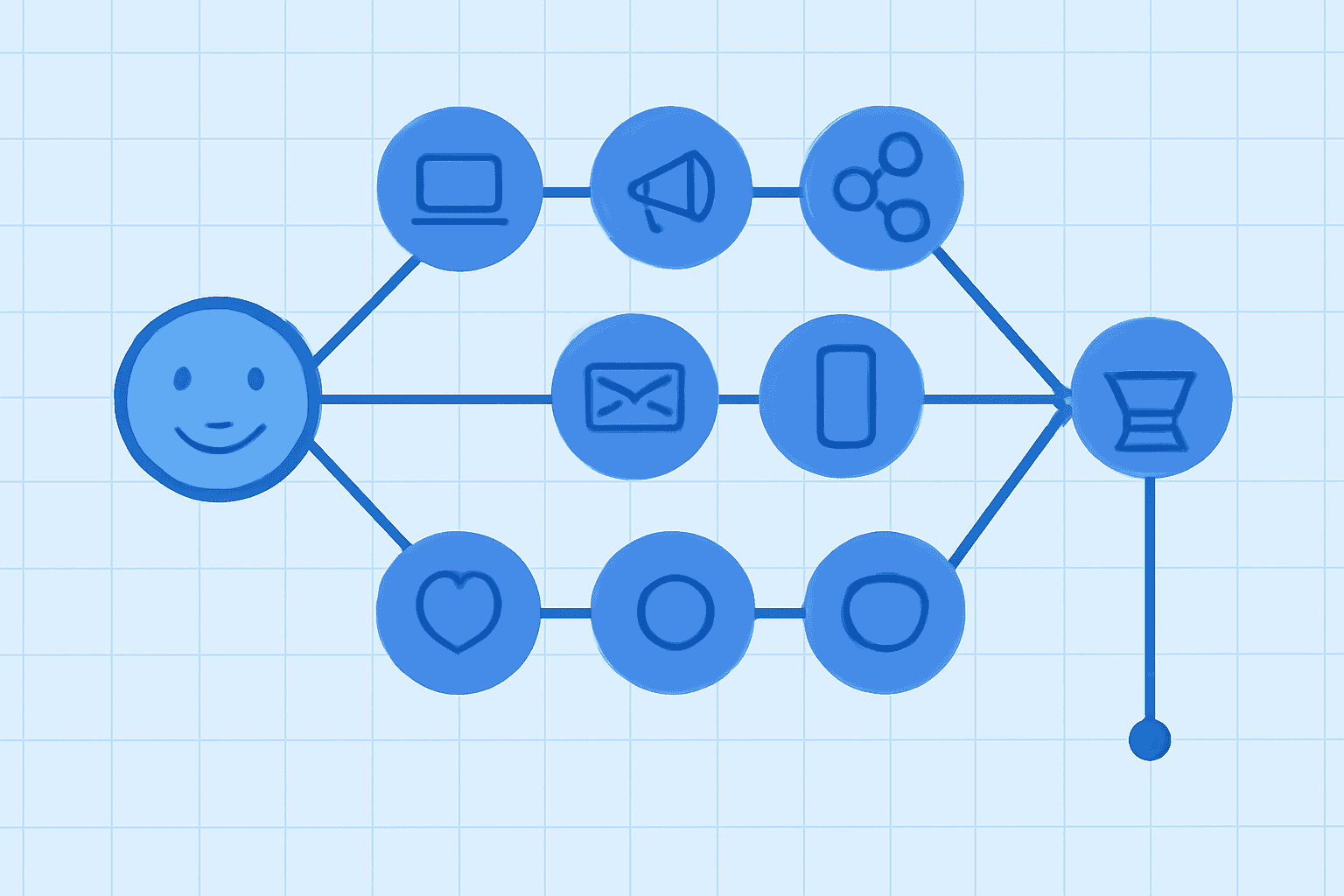
The LinkedIn Targeting Advantage
Microsoft owns LinkedIn. This integration creates targeting capabilities in Microsoft Advertising (Bing Ads) that no other search platform offers. For B2B advertisers, this is a game-changer.
While Google gives you demographic estimates and income brackets, [Bing Ads](/services/bing-ads) gives you actual professional data: job titles, companies, industries—straight from LinkedIn profiles.
How LinkedIn Profile Targeting Works
LinkedIn Profile Targeting layers professional audience data onto your search campaigns. You're not replacing search intent—you're qualifying it.
When someone searches "CRM software" on Bing, that's valuable intent. When that search comes from a VP of Sales at a Fortune 500 company, it's significantly more valuable. LinkedIn targeting helps you prioritize and bid accordingly.
Available LinkedIn Targeting Dimensions
Company Targeting
Target employees of specific companies by name. Perfect for:
- Account-based marketing (ABM) campaigns
- Targeting enterprise accounts
- Reaching employees of competitors' customers
- Focusing on specific verticals by company
You can target by specific company names or company size categories (1-50 employees, 51-200, 201-500, etc.).
Industry Targeting
Target based on the industry of someone's employer:
- Technology
- Financial Services
- Healthcare
- Manufacturing
- Professional Services
- And 100+ more categories
This is particularly useful for horizontal solutions that serve specific verticals.
Job Function Targeting
Target by department or functional role:
- Sales
- Marketing
- Finance
- IT
- Operations
- HR
- Engineering
Combined with search intent, this lets you reach decision-makers actively researching your category.
LinkedIn Targeting Strategy
Strategy 1: Bid Modifiers for Prioritization
Apply positive bid modifiers to LinkedIn audiences while maintaining broad keyword targeting:
- +20-30% for target job functions
- +30-50% for target companies (ABM)
- +15-25% for target industries
This approach prioritizes qualified traffic without excluding potentially valuable clicks from outside your target audience.
Strategy 2: Observation vs. Targeting
Observation mode: Collect data on LinkedIn audience performance without restricting targeting. Use this to learn which professional attributes correlate with conversions.
Targeting mode: Restrict ads only to LinkedIn audience members. Use this when you have clear evidence that only certain professional segments convert.
Start with Observation, move to Targeting once you have data.
Strategy 3: ABM Campaign Structure
For account-based marketing:
- Upload your target account list as a company audience
- Create dedicated campaigns for tier-1 accounts
- Write ad copy referencing their specific challenges
- Build landing pages addressing enterprise needs
- Bid aggressively—you're reaching known high-value targets
LinkedIn Targeting Best Practices
Combine with Strong Search Intent
LinkedIn targeting amplifies search intent—it doesn't replace it. Focus on:
- High-intent keywords indicating active buying
- Specific product/solution searches
- Comparison and evaluation queries
Layer Multiple Dimensions
Combine targeting dimensions for precision:
- Industry + Job Function (IT professionals in healthcare)
- Company Size + Industry (Enterprise financial services)
- Job Function + Company (Marketing at target accounts)
Account for Audience Size
LinkedIn targeting reduces your available audience. Ensure sufficient impression share before over-targeting. Check your audience intersection with Microsoft's tools before launching.
Use LinkedIn Targeting with Other Channels
LinkedIn targeting works synergistically with [LinkedIn advertising](/solutions/lead-generation) itself. Users who see your brand on LinkedIn and then search on Bing have two touchpoints—increasing conversion likelihood.
Measurement and Optimization
Segmented Reporting
Create separate reports for:
- LinkedIn-targeted traffic
- Non-LinkedIn traffic
- Different LinkedIn dimensions
This reveals whether LinkedIn targeting delivers incrementally better performance.
Conversion Quality Tracking
LinkedIn targeting often improves lead quality even if cost-per-lead increases. Track:
- Lead-to-opportunity rate
- Average deal size
- Sales cycle length
- Win rate
Higher-quality leads justify higher acquisition costs.
Common Mistakes
Over-Targeting
Stacking too many LinkedIn filters creates tiny audiences. Balance precision with scale.
Ignoring Non-LinkedIn Traffic
Many B2B buyers don't have LinkedIn profiles or aren't logged in. Don't exclusively target LinkedIn audiences.
Static Audience Lists
Update your target company lists regularly. Your ABM list from last quarter may be outdated.
The Bottom Line
LinkedIn Profile Targeting is the closest thing B2B advertisers have to "search advertising with targeting superpowers." It combines the intent signal of search with the professional qualification of LinkedIn.
For B2B companies, this alone can justify allocating budget from Google to Bing.
Want to implement LinkedIn targeting in your campaigns? Our [Bing Ads management](/services/bing-ads) includes LinkedIn targeting setup and optimization as a standard service.